
Computer UPS vs Medical Cart Power Systems: Why Hospitals Need Dedicated Mobile Power
March 12, 2026
5 min read
In many hospitals, mobile carts are equipped with battery backup systems so equipment can move between rooms without shutting down. A common approach is mounting a standard computer UPS (Uninterruptible Power Supply) onto the cart.
Computer UPS systems are designed primarily as short-term backup power for desktop computers and IT equipment, not as the primary power source for mobile clinical workstations.
Because runtime is limited, carts powered by computer UPS systems often still rely on nearby wall outlets to maintain operation or recharge. In practice, this can lead to carts being parked in hallways near power outlets, occupying corridor space and reducing equipment availability while batteries recharge.
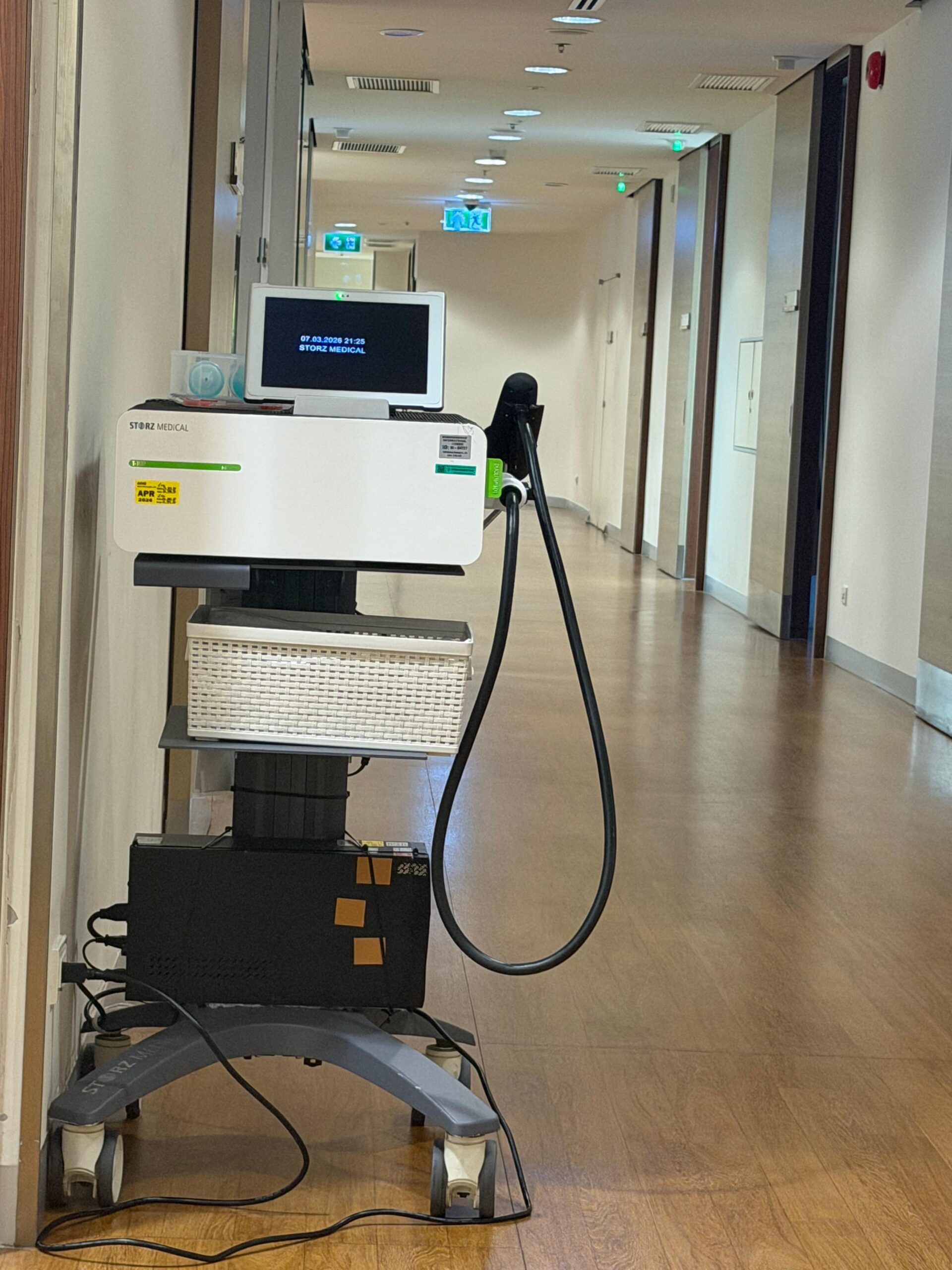
Example: A mobile cart powered by a standard computer UPS mounted to the base of the cart.
Issue 1: Not Designed for Medical Environments
Standard UPS systems used for office equipment are typically not certified to IEC 60601, the safety standard commonly required for medical electrical equipment used near patients.
Medical carts operating in clinical environments must consider safety requirements specific to healthcare settings. Power systems designed specifically for medical carts are engineered to meet these standards and integrate properly with medical devices.
Issue 2: Limited Runtime
Computer UPS systems are designed for short-duration backup power during outages. Depending on load and battery capacity, a typical UPS may provide only a few minutes of runtime.
While sufficient for protecting IT equipment, this limited runtime does not support the extended operation required for mobile clinical workflows. As a result, carts often need to return to a wall outlet for recharging, interrupting operations and reducing equipment availability.
Power Systems Designed for Medical Carts
Mobile carts used in clinical environments require power systems designed specifically for healthcare workflows. Instead of adapting computer UPS systems, purpose-built cart power platforms are engineered for safety, reliability, and continuous daily operation.
SMOVE carts use a medical-grade mobile power platform designed specifically for healthcare environments. These systems are certified under IEC 60601, the safety standard required for medical electrical equipment used near patients.
This certification ensures the power system can safely operate alongside patient-connected medical devices in clinical environments.
In addition to safety requirements, medical cart power systems must also support the demands of daily hospital workflows.
Unlike standard computer UPS systems, which are designed primarily for occasional power outages, medical cart power systems are built for continuous daily use.
Computer UPS batteries are not designed for frequent charging and discharging cycles. When used on mobile carts that are plugged in and unplugged multiple times per day, these batteries can degrade quickly, leading to reduced runtime and frequent battery replacements.
Purpose-built medical cart battery systems are designed to handle thousands of charge and discharge cycles, supporting reliable long-term operation in clinical environments.
Continuous Operation with Swappable Batteries
In addition to using a medical-grade power platform designed for repeated daily use, SMOVE carts incorporate hot-swappable battery technology that allows carts to remain operational without interruption.
The system supports 12+ hours of typical clinical operation, allowing carts to operate through a full clinical shift. When additional runtime is required, batteries can be replaced in seconds without shutting down the system.
This approach provides several practical advantages:
-
uninterrupted operation during battery replacement
-
reduced downtime for clinical staff
-
improved mobility throughout the facility
-
carts can be stored in dedicated equipment areas rather than occupying hallway outlets
To ensure seamless battery replacement, the system also includes an internal backup battery that provides approximately one additional hour of power. This allows users ample time to replace the external battery without interrupting the operation of connected devices.
Instead of waiting for a cart to recharge, staff can simply swap the battery and return the cart to service immediately.
Enabling True Mobility in Clinical Workflows
Mobile carts play an important role in modern healthcare environments, supporting workflows ranging from electronic medical records to imaging systems and specialized clinical equipment.
To support these workflows effectively, the cart power system must be designed specifically for medical use and continuous mobility.
While computer UPS systems can provide temporary backup power, they are not designed to serve as a dedicated mobile power platform for medical carts. Purpose-built systems that combine medical-grade safety standards with hot-swappable batteries provide a more effective solution for hospitals seeking reliable mobile power.
Conclusion
Mounting a computer UPS onto a medical cart may provide short-term battery backup, but these systems are not designed for the safety requirements or daily operational demands of healthcare environments.
Medical carts require power systems built specifically for clinical use. By combining IEC 60601 medical-grade safety, long-life battery systems designed for repeated daily use, and hot-swappable batteries with internal backup power, SMOVE powered medical carts enable reliable mobile power and uninterrupted workflows in hospitals.
Have a deployment story to share?
We partner with hospitals and clinics to document real-world Smöve outcomes. Get in touch to start a case study.